Why Visitor Attraction Websites Need to Become Answer Engines
For many visitor attractions, the website rebuild cycle has become painfully familiar. A site starts to feel dated. Teams work around old systems. Content becomes harder to manage. Booking journeys become clunky. Eventually, the conclusion is reached: it is time for a rebuild.
But Neil Lewin, Owner of Semantic and creators of LOOP, challenged that thinking during his session at the National Attractions Marketing Conference.
His message was simple: the traditional website rebuild cycle is broken.
In a world where visitor behaviour is changing quickly, mobile expectations are high, booking decisions are happening later, and AI is beginning to reshape how people search, attractions can no longer afford to treat their website as a one-off project every few years.
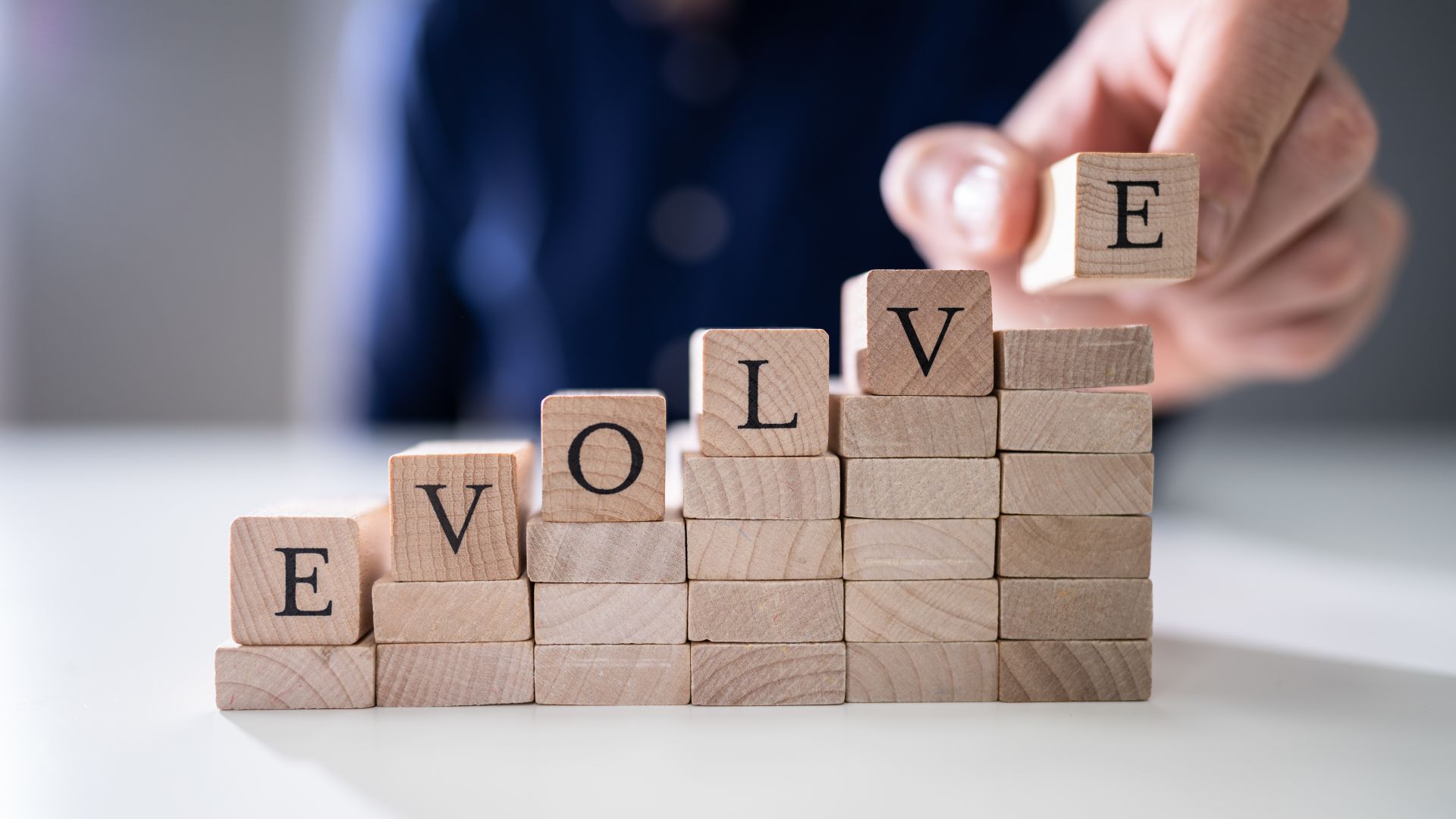
The better approach is to stop rebuilding and start evolving.
Your website is no longer just a website
The role of an attraction website has changed dramatically. In the early days, a brochure-style site may have been enough. Then ecommerce changed expectations. Then mobile changed them again. Now AI is adding another layer of disruption.
Today, an attraction website needs to support the whole guest journey. It needs to help people discover the attraction, plan their visit, understand the value, choose the right tickets, make a booking, find information on the day, and stay engaged afterwards.
The attraction’s website is its most important digital asset – the channel that converts demand into visits, bookings, revenue and repeat guests. That matters even more because guests are not always booking far in advance, many are researching a visit for weeks, but only commit in the final few days or hours. As a result the website needs to be ready for that moment, being able to answer questions quickly, reduce doubt, and make booking easy.=
The rebuild cycle creates risk
When a website is no longer doing what the team needs, the default response is often a rebuild. If a site is several years old, hard to update, poor on mobile, or unable to support modern marketing needs, change may be unavoidable.
But full rebuilds bring their own problems. They are expensive, are time consuming, and distract teams usually already stretched. And by the time a new site launches, visitor expectations, marketing channels and technology may already have moved on.
The bigger issue is mindset. If a website is treated as a large capital project that gets completed and then left alone for four or five years, it will always fall behind. Attraction websites need to work more like living platforms. They should be improved continuously, based on guest behaviour, marketing priorities, seasonal campaigns and new technology.
The goal is not just to launch a better website. The goal is to create a website that can keep getting better.
Start with the content that affects conversion
One of the most useful frameworks shared in the session was the LIFT model.
This can be used to review key website pages, ticket pages and booking journeys. It asks whether the value proposition is clear, whether the content is relevant, whether anything is distracting the user, whether anything creates anxiety, and whether there is enough urgency or reassurance to help people act.
For attractions, this is a practical way to look again at the pages that matter most. Is the reason to visit clear on a phone screen? Is the ticket offer easy to understand? Are visitors being sent away from the booking journey by unnecessary links? Does the price suddenly change later in the process? Are important details hidden in small print? Would a grandparent booking for grandchildren understand which ticket or package is right for them?
Small improvements here can make a big difference. Neil encouraged attractions to review key pages on mobile with the wider team. This does not need to be complicated. A short weekly session, with everyone looking at the site on their phones, can quickly reveal problems that are easy to miss on a desktop screen.
Every page needs to stand alone
AI search is likely to change how people arrive on attraction websites. Visitors may no longer follow a neat journey from the homepage to the tickets page. They may land on an event page, an FAQ, an accessibility page, a blog post, or an older piece of content surfaced by an AI tool. As a result every page needs to work harder. Navigation should be consistent. Calls to action should be obvious. Booking routes should be clear. The page should reflect the quality of the attraction, even if it is not the homepage.
This is especially important for seasonal events. If an attraction runs Halloween, Christmas or summer activities every year, Neil recommended keeping consistent URLs year after year. A dedicated page can then build search value over time, rather than starting again each season. The same principle applies to high-value content areas such as accessibility information, FAQs, help centres and passholder hubs.
Show the value of the visit
One of the clearest content recommendations was to show more of what visitors actually get. Attractions can sometimes worry about “spoiling the magic” by revealing too much online. But in a value-conscious market, people want to understand what they are paying for seeking reassurance that the day out will be worth the spend. A small phone screen will never replace the real experience, so attractions should not be afraid to show the richness of the visit.
That means strong imagery, useful video, detailed listings, clear descriptions and content that answers practical questions. It also means thinking carefully about ticket packages and pricing presentation. Higher-value packages can help anchor choice and make other options easier to compare. Clear package structures can also increase revenue by helping visitors understand the benefits of upgrading.
The key is clarity. Visitors should not have to work hard to understand the difference between options.
Accessibility content is a major opportunity
Accessibility is one of the biggest quick wins for many attraction websites. While some attractions may have a basic accessibility page, a proper accessibility hub can provide clear, searchable, reassuring content for visitors with different access needs. This could include dedicated FAQs, maps, video walkthroughs, information for older visitors, sensory guidance, mobility information, and practical details that reduce anxiety before a visit.
This isn’t just the right thing to do – it’s also good marketing. If a visitor is unsure whether an attraction can meet their needs, the website has to remove that uncertainty. Good accessibility content can help more people feel confident enough to book.
SEO is becoming AEO
Most marketers are familiar with SEO, but Neil introduced the growing importance of AEO: Answer Engine Optimisation. This is closely related to other emerging terms such as AI Optimisation and Generative Engine Optimisation.
The idea is that search is becoming more answer-led. People are asking longer questions and AI tools are summarising information. Google is showing more AI-generated answers with ChatGPT, Gemini and Claude becoming part of how people research trips, days out and visitor experiences. For attractions, this creates both risk and opportunity.
If AI tools become the new gatekeepers of your brand, they may shape how visitors understand your attraction before they ever reach your website. If your content is unclear, inconsistent, out of date or thin, AI tools may not represent you well. That makes clear, structured, trustworthy content more important than ever.
AI can read far more than a single page. It can draw on reviews, listings, old content, competing attractions and public information. Attractions need to know what AI tools are saying about them.
Unlike traditional SEO, AI tools may give clues about what competitors are doing better. One practical tip from the session was to search for your attraction in AI tools using likely visitor questions. Then ask the tool why your attraction is not ranking higher for that query.
Reviews are part of your discoverability
If AI tools are reading and summarising public information, reviews become part of the wider search and discovery ecosystem. That means attractions need to monitor reviews, respond where appropriate, and understand recurring themes. If guests repeatedly mention confusion, poor facilities, unclear pricing or operational issues, that may influence how AI tools describe the attraction.
Positive signals matter too. Awards, accreditations, strong reviews, detailed visitor feedback and trusted third-party mentions can all help reinforce why an attraction should be recommended.
The future of discoverability is not just about keywords. It is about being consistently useful, credible and easy to understand across the web.
The website is not just a shop window – it’s where the relationship begins
An attraction’s website should remain its number one channel for converting demand into revenue, but that only works if the attraction keeps control of its brand, messaging, ticketing, inventory and guest data.
There is a risk that attractions could move towards a more commoditised model, where third-party platforms own more of the booking journey and the guest relationship. Whilst that may create short-term visibility, but it can weaken long-term control. Direct digital relationships matter because they allow attractions to better understand guests, remarket to them, improve the visit experience and build loyalty.
In a fast-changing digital landscape the attractions that succeed will not necessarily be those that rebuild most often – instead they’ll be the ones that keep improving.
To watch Neil’s presentation in full get your On Demand Tickets from Zoom