What Visitor Attractions Can Learn from St Paul’s Cathedral
Digital technology is now part of almost every visitor journey. It can help people plan a visit, buy tickets, find their way around, understand a story and share their experience afterwards. But digital alone does not create a memorable day out.
That was the focus of a National Attractions Marketing Conference session with Bala Macklin, Founder and Managing Director of Complete Works, and Spencer Clark from ATS. The session included a case study conversation with Sandra Lynes Timbrell, Director of Visitor Engagement at St Paul’s Cathedral.
Together, they explored one of the biggest questions facing visitor attractions today: How do you use digital without losing the human magic?
Experience is the real differentiator
The strongest marketing often begins on site. Visitors may remember a building, exhibition, app, café or shop, but what they really take away is a feeling. That experience is what drives word of mouth and what people talk about when they get home, what appears in reviews, WhatsApp messages, social posts and family recommendations. For attractions, this means the visitor experience cannot be treated as an operational detail. It is part of the brand. It affects conversion. It influences repeat visits and advocacy.
Digital can help people cross the threshold
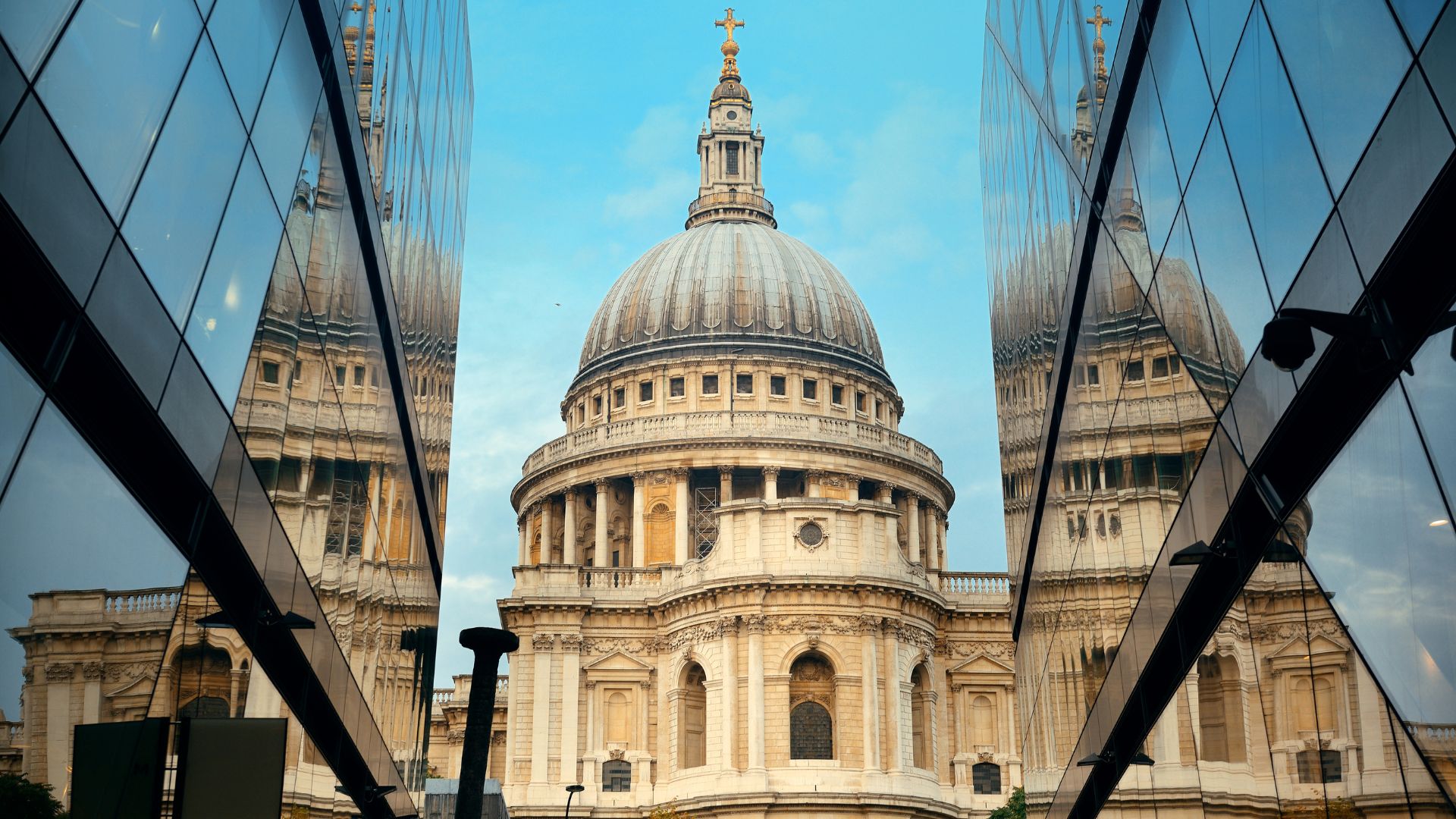
St Paul’s Cathedral faces a challenge that many famous attractions will recognise. The building is known around the world. Many people stop outside, take photographs and admire it from the street. But that does not automatically mean they understand why they should come in. It is for this reason that St Paul’s is working to address both the literal threshold and the digital threshold, striving to help people understand the stories inside the building before they step through the door.
One example is its podcast series, which focuses on hidden stories from St Paul’s. These stories help make a large and imposing building feel more human. They also challenge assumptions about who the cathedral is for.
This is where digital can be powerful. It can open up stories before a visit begins. It can make an attraction feel more relevant, more welcoming and easier to understand.
Digital should remove friction, not create distance
A key theme from the session was the importance of using digital technology with purpose. Digital tools can support wayfinding, interpretation, ticketing, onboarding and accessibility. They can help visitors understand a site and make better use of their time. They can also give a large attraction more consistency across the visitor journey.
But poorly introduced technology can create problems. For example, at the National Gallery, a digital exhibition around Leonardo’s Virgin of the Rocks gave visitors a richer understanding of the painting through the use of projection, sound and interactive screens to add context. But in the first week, many visitors did not know how to engage with the technology. When human guides were added, the experience changed and the digital element became a highlight.
The lesson is useful for every attraction. Technology does not always explain itself. Sometimes visitors need a human prompt before they feel confident enough to engage.
Front-of-house teams need to be involved early
One of the strongest recommendations from the session was to involve front-of-house teams from the beginning. These are the people who understand the visitor journey in practice. They know where visitors get confused and are well versed in answering the questions that come up again and again. They know what works on a busy day and what will become difficult once an idea reaches the floor.
Involving these teams early can also reduce the sense that digital is being imposed on them particularly because new technology can feel like a threat with screens, guides and apps replacing the role they play.
At St Paul’s, front-of-house feedback helped identify a practical issue with multimedia guide onboarding. Visitors needed help understanding the device and the layout of the cathedral. A simple 30-second onboarding video helped reduce transaction time and eased pressure on queues thus yielding real operational benefit.
Staff, not Stuff
The session repeatedly returned to one simple idea: Interpretation panels, apps and multimedia guides all have a role. But people often remember the story told by a member of staff. They remember the guide who shared an unexpected fact, made them feel welcome or helped them understand what they were looking at. These moments are powerful because they feel personal.
They also support marketing. A visitor who hears a hidden story is more likely to repeat it. That story becomes part of the attraction’s reach and has the potential to travel beyond the visit itself.
For marketers, this is important. The visitor experience is not separate from the marketing strategy. It is one of the strongest drivers of recommendation.
Brand, interpretation and culture need to work together
St Paul’s has also been working on its brand as something rooted in the fabric of the building. It looks back at the cathedral’s long history while also helping it look forward. Involving people from across the organisation this wasn’t just a logo project – it was rooted in vision, culture and identity.
That same thinking applies to interpretation and digital visitor experience. If the tone of voice on site feels different from the tone of voice in marketing, the journey can feel disjointed. If the digital guide sounds unlike the people visitors meet, the experience can feel fragmented. If follow-up surveys, signage, web content and staff scripts all feel disconnected, the brand becomes weaker.
Consistency does not mean everything should sound identical. It means every touchpoint should feel like part of the same experience.
Marketing should be in the room from day one
Marketing should be involved before a brief is written. Too often, marketing teams are brought in once a new experience, exhibition or digital project is already well developed. By that point, many important decisions have already been made and the launch story may be harder to tell. The audience need may not be fully understood and the commercial opportunity may be weaker than it could have been.
What’s needed is a more joined-up approach. Marketing, operations, front of house, interpretation, digital and senior stakeholders all need a voice at the right time. That does not mean every person needs to be in every meeting, but it does mean the project needs shared goals, clear communication and a strong understanding of the visitor outcome.
Human and digital should work in sequence
The best visitor experiences do not treat digital and human interaction as competing forces. They use each at the right moment.
Digital can help someone plan a visit, understand what is available, find their way around and access stories at their own pace. Human interaction can add warmth, confidence, surprise and emotional connection. When those touchpoints are designed together, the visitor journey becomes stronger resulting in people staying for longer and understanding more.
That is not just an operational outcome. It is a marketing and revenue outcome too.
The real opportunity for attractions
The opportunity for attractions is not to add digital for the sake of it. Nor is it to resist technology in favour of a purely human experience. The opportunity is to create the right blend.
To watch the presentation in full get your On Demand Tickets from Zoom
Most of all, it means designing the visitor journey end to end.
Experience is the differentiator. Digital should enable humans, not replace them. Conversion and advocacy should be shared goals. And marketing should be part of the conversation from the very beginning.
For visitor attractions, that is where the strongest experiences will be built.