Why destination marketing should be part of your conversion journey
For visitor attractions, it is natural to focus on what happens inside the gates, but visitors rarely make decisions in such a neat and isolated way.
In their presentation to the National Marketing Attractions Conference 2026, Laura Baxter, founder of Your CMO and board director at Visit Isle of Wight, and Dominic Wray, Chief Executive of Visit Isle of Wight showed how attractions can get much more from their destination marketing organisation when they stop treating it as a notice board and start treating it as a commercial partner.
Visitors are buying the whole trip
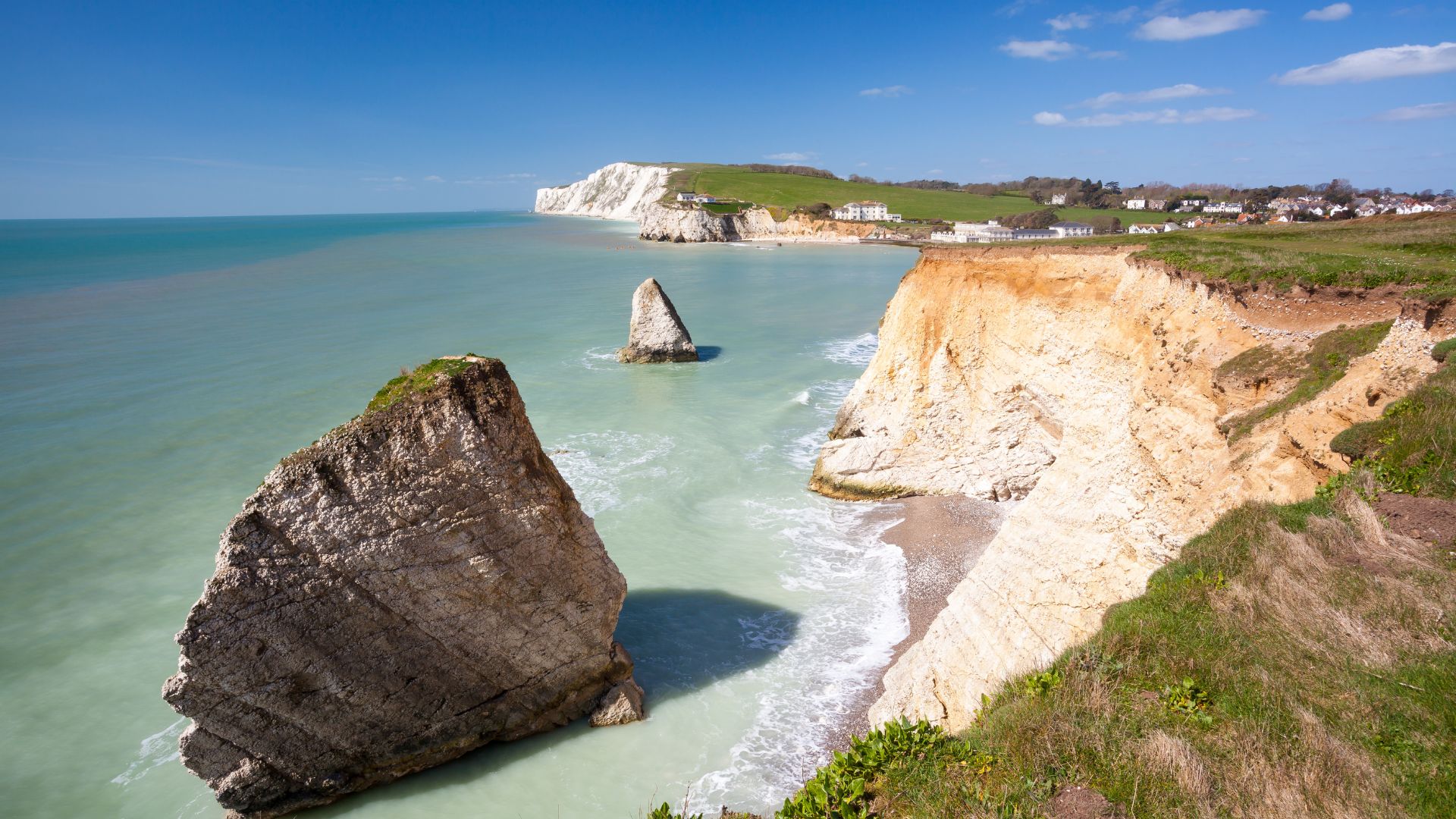
An attraction may be the spark that starts the idea of a visit, but it is often not the only reason someone decides to travel. This is especially true for destinations that need visitors to make more effort. The Isle of Wight is a strong example. It has major attractions, beaches, heritage sites, family experiences and outdoor activities. But for many visitors, the decision also includes the ferry, the travel time and the sense of whether the whole trip is worth it.
The same applies to many attractions across the UK. A family might love the look of a new ride or an exhibition, yet they still need to know whether there is enough nearby to fill the day. That is where destination marketing becomes commercially important. A strong DMO does not just promote individual attractions. It reduces the perceived risk of the whole trip.
Stop asking for posts
If the only thing an attraction asks from its DMO is another social media post, the relationship is probably too shallow. Attractions often approach DMOs with a product-led mindset looking to promote a new event, a new ride, a new offer or a new campaign. They want the DMO to push it out. But a DMO is not there to act as a notice board. Its job is to sell the destination as a whole and so attractions need to show how their product helps tell a bigger story.
A new ride is not just a new ride. It can be a reason for families to choose the destination this summer.
A dog-friendly attraction is not just ticking a facilities box. It helps make the destination easier for dog-owning families.
A rainy day offer is not just a promotion. It helps solve one of the biggest barriers to UK short breaks.
That shift in messaging makes it much easier for a DMO to include the attraction in campaigns, itineraries, PR stories and destination content.
Make it easy for your DMO to promote you
Attractions should be supplying DMOs with useful, up-to-date content on a regular basis. That includes strong imagery, video, audience information, seasonal hooks, awards, news stories and trackable booking links. A shared folder can help. So can regular updates that explain what is happening and why it matters for the destination. The more useful material a DMO has, the easier it becomes to include an attraction in wider campaigns.
It also helps the attraction move beyond one-off mentions. Instead of appearing as a standalone listing, it can become part of a family weekend itinerary, a thrill-seeker guide, a dog-friendly holiday campaign or a rainy day content piece. That is where the real value starts to appear.
The sweet spot between attraction goals and destination goals
Attractions and DMOs are often trying to achieve slightly different things. While attractions want ticket sales, visitor numbers, revenue and brand awareness DMOs want more stays, higher spend, longer seasons and a stronger destination brand.
When attractions and DMOs collaborate well, they create stronger reasons to visit the destination. That can help bring more people into the area and give individual attractions a better chance of being included in the visitor’s plans. This matters because attractions are not only competing with each other, they are also competing against other destinations, cheap overseas breaks, Netflix, gaming, YouTube and staying at home.
A joined-up destination story gives visitors more reasons to say yes.
Collaboration makes the whole destination stronger
On the Isle of Wight, a renewed focus on collaboration has helped attractions, accommodation providers, ferry operators and other businesses work more closely together. When businesses operate in silos, they may see each other only as competitors. But in many cases, the bigger challenge is getting people to choose the destination in the first place. Once more visitors arrive, everyone has a chance to benefit from a bigger market.
A DMO can also give the sector a stronger collective voice. Dominic gave the example of local roadworks and transport issues. Individual businesses had raised concerns on their own. The DMO was able to bring those concerns together and speak on behalf of the wider visitor economy.
That kind of role goes beyond marketing. It helps build confidence, trust and shared momentum across the destination.
A DMO still needs to be commercially focused
DMOs need to remember their core purpose. They should help bring visitors into the destination and support the businesses that fund or engage with them. While wider topics such as sustainability and advocacy are important, the foundation has to be effective destination marketing.
The DMO needs to think more like a commercial marketing agency, with its members and partners as its clients and its job as selling the destination in a way that delivers results.
For Visit Isle of Wight, that includes a focus on improving the destination website as the island’s shop window. A stronger website can not only help sell the island more effectively but it can also help to generate more revenue for the organisation and better results for the businesses it supports.
The real opportunity: become part of the destination story
Attractions should not see destination marketing as separate from their own marketing but rather as part of the conversion journey.
A DMO can help answer the questions that sit around the visit, helping to package the experience and show why the trip is worth the time, cost and effort. But that only works when attractions give their DMO more than last-minute posters and requests for posts. The most effective relationships are built on shared content, shared goals and a shared understanding of what will make visitors choose the destination.
The take home message – stop treating your DMO as a notice board. Start treating it as a partner in conversion. The attractions that benefit most will be the ones that help sell the bigger story. Not just what happens at their venue, but why the whole trip is worth making.
To watch the presentation in full get your On Demand Tickets from Zoom