How Hatfield Outdoor Activity Centre Used WhatsApp to Drive Engagement, Loyalty and Spend
For many visitor attractions, getting timely information in front of visitors can be a challenge. Email inboxes are crowded while social media posts are at the mercy of algorithms and Apps can be expensive to build and difficult to persuade visitors to download. And when guests are already on site, the need to communicate quickly becomes even more important.
This was the focus of a recent session at the National Attractions Marketing Conference from Rachel Wood, Destination Marketing Manager at Doncaster Culture and Leisure Trust, who shared how Hatfield Outdoor Activity Centre and Campsite has used WhatsApp Channels to improve guest communication, build loyalty and generate additional revenue.
The results show that WhatsApp Channels can be more than just another marketing tool. Used well, they can become a practical, low-cost way to deliver live updates, exclusive offers and useful information directly to visitors.
What is a WhatsApp Channel?
A WhatsApp Channel is different from a WhatsApp group. It is a one-to-many broadcast feed, where an organisation can send updates to followers, but followers cannot reply publicly. That makes it useful for attractions that want to share timely information without opening up a conversation thread or creating another space that needs constant moderation. For attractions, that distinction matters.
A channel can be used to tell visitors what they need to know, when they need to know it. It can support guest experience, promote offers, share operational updates and direct people to booking pages, all through a platform most visitors already have on their phone.
Why WhatsApp works for attractions
One of the biggest advantages of WhatsApp is that it removes friction. Visitors do not need to download a new app, remember to check a website or follow a social media page and hope the algorithm shows them the update. They simply scan a QR code or click a link and follow the channel.
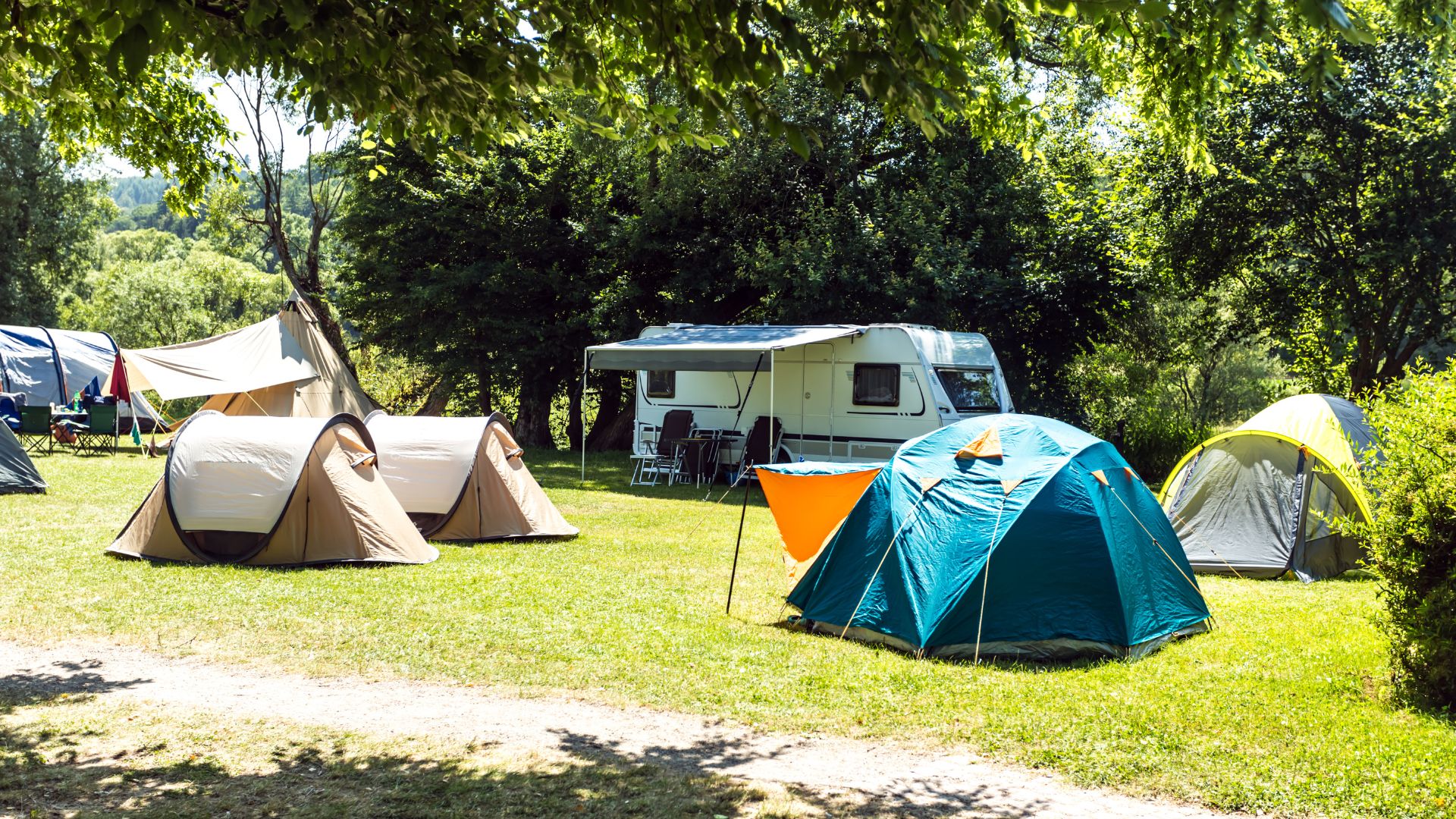
For Hatfield Outdoor Activity Centre and Campsite, that made WhatsApp a strong fit. The venue welcomes campers during the warmer months and offers activities including canoeing, paddleboarding, open-water swimming and an aqua park. Many visitors are staying on site, moving around the venue and making decisions during their visit. That creates lots of moments where timely communication can be valuable.
The Hatfield approach: perks and alerts
Hatfield created a channel called Hatfield Perks and Alerts.
The positioning was presented not as a sales channel but as a useful service for campers, offering exclusive discounts, live updates, lost property alerts, missing child notices, weather information and practical reminders.
Campers were encouraged to join in several ways. They received the channel link before arrival. When they checked in, they were given a postcard with the gate code on one side and a QR code for the WhatsApp Channel on the other. Posters with the QR code were also placed around camper areas such as toilets, shower blocks and washing-up areas.
The message was clear: join the channel and your stay will be easier, safer and better value.
Useful first, commercial second
The aim was to make the channel genuinely useful, thereby helping to build trust.
Hatfield used the channel for practical updates such as the guest Wi-Fi code, reminders about dogs on leads, lost property alerts and weather-related safety information. For an outdoor activity centre, this was especially valuable. If thunder or lightning affects lake activity, guests need fast updates. If a child loses a teddy bear, or an item is handed in, WhatsApp provides a quick way to reunite it with the owner.
The commercial messages then sat naturally alongside the service updates. Campers received exclusive discount codes for on-site activities, helping to encourage additional spend while also making guests feel rewarded for staying on site.
Turning loyalty into measurable revenue
Hatfield sent campers a weekly discount code giving them 10% off activities. The code changed each week, which helped the team track usage and understand how much activity spend was being driven by the channel. This also reduced the risk of old codes continuing to circulate outside the intended audience.
The impact was significant. The channel helped generate more than £30,000 in additional camper-related spend compared with the previous year. For a relatively small seasonal campsite and activity venue, that represented a meaningful return from a low-cost channel.
The team also achieved strong uptake, with around 80% of campers following the channel while staying on site. Some guests even remained followers after leaving, keeping Hatfield front of mind for future visits.
Scheduling makes it manageable
A common concern with any new communication channel is workload. To overcome this, Hatfield used a scheduling tool, Blue Ticks, to plan WhatsApp updates in advance. This allowed the team to schedule routine messages such as Friday discount codes, while still using the channel manually for live updates when needed.
That balance is important. Not every message needs to be reactive – many updates can be planned ahead, especially around arrival information, offers, opening times and seasonal reminders, but the channel still remains flexible enough for real-time communication from a phone.
Hatfield also gave access to trusted duty managers, so the marketing team did not need to be responsible for every live operational message. That made the channel more useful across the business, not just as a marketing platform.
Where attractions could use WhatsApp Channels
The Hatfield example focused on campers, but the idea could work across many types of visitor attraction.
- Theme parks and family attractions could use channels for ride updates, queue information, traffic alerts, food and retail offers, weather changes and last-minute availability.
- Museums and heritage attractions could use them for member updates, exhibition news, early access, event reminders and behind-the-scenes content.
- Theatres and event venues could use them for pre-sale access, show-night updates, VIP clubs, late availability and bar or café promotions.
- Hotels, resorts and accommodation providers could use them for arrival information, room offers, guest perks, dining updates and local recommendations.
The real opportunity is to think beyond “another place to post marketing messages” and ask: what would be genuinely useful for visitors to receive instantly?
Small moments can create big value
Some of the most powerful uses of WhatsApp Channels are not complicated.
- A reminder that the café closes in an hour
- A message about a lost child’s toy
- A warning about heavy traffic nearby
- A last-minute offer in the gift shop
- A weather update before guests head to an outdoor activity
- A discount code that nudges a camper to book paddleboarding.
Individually, these are small moments, but collectively they can improve the guest experience, ultimately increasing spend and making visitors feel better looked after.
Start simple and test internally
Rachel’s advice was to start by setting up WhatsApp Business, creating a channel and testing it internally before launching publicly.
A small focus group of staff can help check how messages appear, how links work, what type of content feels useful and how often updates should be sent. Once the team is comfortable, the channel can be promoted using QR codes, email links and on-site signage. But be clear about the purpose of the channel. Visitors need a reason to join. “Follow us on WhatsApp” is less compelling than “Join for live updates, exclusive camper discounts, weather alerts and lost property notices.”
A low-cost channel with high potential
WhatsApp Channels are still underused by many attractions, but the Hatfield case study shows how powerful they can be when they are linked to a clear visitor need.
The platform is familiar, easy to access and capable of delivering fast, direct updates. It can support operations, improve guest experience and drive measurable revenue, without requiring a major technology investment.
For visitor attractions, the opportunity is not simply to add another marketing channel. It is to create a useful, timely and trusted line of communication with visitors.
The attractions that use WhatsApp Channels well will not be the ones that broadcast the most messages. They will be the ones that understand when a well-timed update can make the visitor experience easier, safer, more enjoyable and more valuable.
To watch Rachel’s presentation in full get your On Demand Tickets from Zoom